MSNBC.com answers your questions about technology and gadgets.
Stuck in a cell phone stupor? Mired in media formats? Send us your questions
about gadgets and technology and read selected answers in a new column by Gary
Krakow.
I get a lot of reader email in response to my technology columns — much of it
unprintable. But many of the questions are more basic: Why doesn't this stuff
work? How do I get it to work? What should I look for when buying something
that will work? And why aren't we all flying around in jetpacks already?
Starting today, I'm going to take up these questions on a regular basis (well,
not the jetpacks, but we will discuss equally mythical tech promises from time
to time) and try and shed some light on the confusing consumer nightmare that
is often our digital world.
I'm going to China soon and would like to contact my family while I'm there.
I've been told my cell phone won't work there but what about email? Is there
something I need to add to the email address to get it to the USA?
Cindy, Sacramento, Calif.
Your cell phone probably won't work in China, unless you currently use a GSM
handset. GSM is a cellular transmit/receive technology in use almost everywhere
on the planet. In this country, however, many of the big wireless companies use
a different standard. T-Mobile and Cingular, however, both use GSM.
Having a GSM phone may not be enough, however. Your particular handset may not
work properly with foreign phone systems in each locale. But most people won't
want to buy a new phone unless they plan to travel to a particular country on a
regular basis.
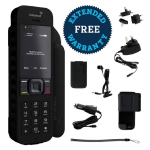
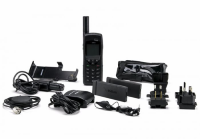
Instead, consider renting a phone for the trip — it's cheaper and easier to do
than you might think. A quick Internet search for "China cell phone"
should give you a list of companies that offer rental services, such as
Roadpost and Planetfone.
In addition to a flat fee for the rental and a delivery fee (they'll mail it to
your U.S. home before you go), you will also need to purchase a SIM (a small
memory card with your phone account information) and either load it up with
prepaid minutes or arrange to pay as you go. If you run out of minutes, you can
always purchase more. Actual costs will vary by vendor and country.
Another approach would be to rent from a local provider once you're at your
destination, or even buy an inexpensive handset outright. You will again need
to buy a SIM as well. This is usually a cheaper option than the one outlined
above, but can also be more hassle.
As for email, unless you're in a very remote area of China (and even then you
might be surprised), you should be able to cheaply rent an hour or two of time
from one of the many local Internet cafes. If you have a Web email account now
(i.e., one that you can log into from a Web browser, instead of or in addition
to using an email program such as Outlook), you should be able to access it
from anywhere with Web access.
However, security at Internet cafes (not just in China) can be a dicey matter —
it's not necessarily the proprietor who's the risk, but whoever used the
computer right before you (or a week before). So many people prefer to create a
special email account, just for use on a trip, and then delete it once they're
home. You can set up a new free email account easily with services such as
Google's Gmail or Microsoft's
Hotmail or Yahoo! Mail.
Sending email from these accounts works just the same whether you're in China
or in the U.S. -- if you don't know your family's email addresses by heart, you
can add them to the new account's address book or just write them down on a
card.
Lastly, it should hopefully go without saying that an Internet cafe in the
middle of a foreign country is NOT the place from which to check your online
banking account.