About Iridium

The nitty gritty.

Iridium has the world's only truly global commercial satellite network. Learn why. Iridium satellite

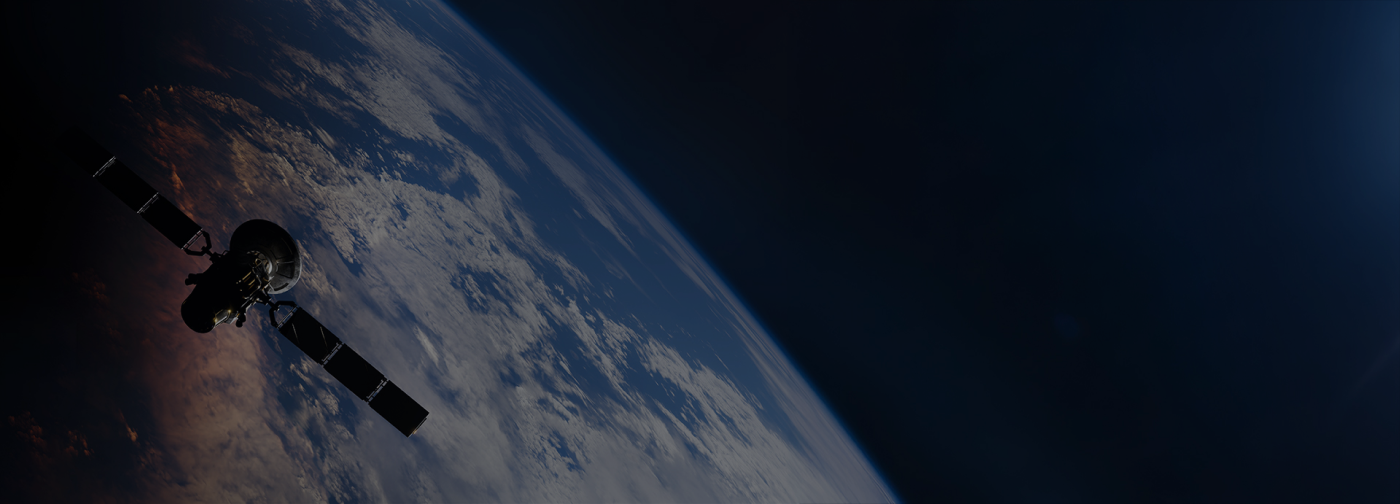
The Iridium constellation consists of 66 low-earth orbiting (LEO), cross-linked satellites operating as a fully meshed network. That's more satellites than any other constellation and it's the largest commercial satellite constellation in the world. This is what makes the Iridium network unique. Several overlapping satellites ensure the globe is covered. An independent study found Iridium's network to have the best call quality and call completion rates over other similar competitors. This is one of the many reasons the U.S. military relies on the Iridium network.

The on-orbit Iridium constellation consists of 66 operational satellites and 14 spares in a constellation of six polar planes. Each plane has 11 mission satellites performing as nodes in the telephony network. The 14 additional satellites orbit as spares ready to replace any unserviceable satellite. This constellation ensures that every region on the globe is covered by at least one satellite at all times. The satellites are in a near-polar orbit at an altitude of 485 miles (780 km). They circle the earth once every 100 minutes travelling at a rate of 16,832 miles per hour. Each satellite is cross-linked to four other satellites; two satellites in the same orbital plane and two in an adjacent plane. These links create a dynamic network in space - calls are routed among Iridium satellites without touching the ground, creating a highly secure and reliable connection. Cross-links make the Iridium network particularly impervious to natural disasters - such as hurricanes, tsunamis and earthquakes - that can damage ground-based wireless towers.

The ground network is comprised of the System Control Segment and gateways to the terrestrial networks. The System Control Segment is what commands and controls the satellites for the Iridium system. It provides global operational support and control services for the satellite constellation. It also delivers satellite tracking data to the gateways. It consists of three main components: four Telemetry Tracking and Control sites, the Operational Support Network, and the Satellite Network Operation Center. The primary linkage between the System Control Segment, the satellites and the gateways is through a satellite to satellite communications system called K-Band feeder links and cross-links throughout the satellite constellation.

The existing satellite constellation is expected to provide continuous global coverage until 2014. Find out what Iridium is doing NEXT.